


 I had in an earlier post mentioned about the wonderful
combination of Shankar Jaikishen,
Muhammed Rafi and Shammi Kapur who had together created a large number of
popular everlasting film songs in the 60s and 70s. There are a few other similar
trios who had enriched Hindi film music with their wonderful songs. S.D.Burman, Kishore Kumar, Dev Aanand and R.D.Burman, Kishore Kumar, Rajesh Khanna and, of course, Naushad, Muhammed Rafi, Dilip
Kumar are some of them. The outstanding feature of these songs is that the
efforts of the composer, singer and the actor on whom they are picturised have homogeneously jelled to make them audio visual delights. One can’t think of the
song separately from the composer, singer and the actor. Of these, the trio of
Naushad, Rafi and Dilip was, to me, the unchallenged combination for the
intensity of their impact on film goers and listeners, the popularity of the songs, the number of
films they did together and the
durability (immortality) the songs
attained. For sheer popularity and ‘singability’, the songs of the
combination of SJ, Rafi and Shammi are far ahead. But for quality of content
and soulfulness the songs the trio of Naushad, Rafi and Dilip takes the cake.
I had in an earlier post mentioned about the wonderful
combination of Shankar Jaikishen,
Muhammed Rafi and Shammi Kapur who had together created a large number of
popular everlasting film songs in the 60s and 70s. There are a few other similar
trios who had enriched Hindi film music with their wonderful songs. S.D.Burman, Kishore Kumar, Dev Aanand and R.D.Burman, Kishore Kumar, Rajesh Khanna and, of course, Naushad, Muhammed Rafi, Dilip
Kumar are some of them. The outstanding feature of these songs is that the
efforts of the composer, singer and the actor on whom they are picturised have homogeneously jelled to make them audio visual delights. One can’t think of the
song separately from the composer, singer and the actor. Of these, the trio of
Naushad, Rafi and Dilip was, to me, the unchallenged combination for the
intensity of their impact on film goers and listeners, the popularity of the songs, the number of
films they did together and the
durability (immortality) the songs
attained. For sheer popularity and ‘singability’, the songs of the
combination of SJ, Rafi and Shammi are far ahead. But for quality of content
and soulfulness the songs the trio of Naushad, Rafi and Dilip takes the cake.  What made these compositions of Naushad outstanding is not his musical genius alone but also his close personal
rapport with the singer and the actor and the mutual respect they shared in
each others’ talent . Their dedication to their job and sincerity to make a song perfect and the enormous efforts they took towards
this could be imagined when one listens to the songs with the actual song scene
in mind. Naushad himself had put on record about the long hours they spent
together discussing and rehearsing each song before they were recorded at a
stretch.About Rafi Naushad observes: ‘When we talk about his singing style , he
has been emotional and
hardworking........There are two styles of singing, one coming from the throat
and the other coming from the heart. Rafi’s style is to render beautiful songs
from the heart. The fact is that often his heart did not get the song he wanted
to render......He is a great person. ....Never comes late for recording......’.Naushad
harboured similar high opinion about Dilip Kumar also. He observes, ‘I always
admired Delip’s expertise in the
language. .......His room is full of books on various subjects....A person with
a keen sense of observation who can talk
confidently on any subject......Pure trustworthiness is another quality he
possessed....His art is beyond time and his dedication great....’.(Ref:
MAUSHAD’S NOTES: Editor-Sasikant Kanikar)
What made these compositions of Naushad outstanding is not his musical genius alone but also his close personal
rapport with the singer and the actor and the mutual respect they shared in
each others’ talent . Their dedication to their job and sincerity to make a song perfect and the enormous efforts they took towards
this could be imagined when one listens to the songs with the actual song scene
in mind. Naushad himself had put on record about the long hours they spent
together discussing and rehearsing each song before they were recorded at a
stretch.About Rafi Naushad observes: ‘When we talk about his singing style , he
has been emotional and
hardworking........There are two styles of singing, one coming from the throat
and the other coming from the heart. Rafi’s style is to render beautiful songs
from the heart. The fact is that often his heart did not get the song he wanted
to render......He is a great person. ....Never comes late for recording......’.Naushad
harboured similar high opinion about Dilip Kumar also. He observes, ‘I always
admired Delip’s expertise in the
language. .......His room is full of books on various subjects....A person with
a keen sense of observation who can talk
confidently on any subject......Pure trustworthiness is another quality he
possessed....His art is beyond time and his dedication great....’.(Ref:
MAUSHAD’S NOTES: Editor-Sasikant Kanikar)


tootena’ and’Hum aaj kahin dil kho baithe’. Of course, Raj Kapur was the hero of the film and his preference for the voice of Mukesh was well known. In film BABUL(1950)again with Nargis, a great musical hit, all the eleven songs were shared mainly between Talat Mahmood and Shamshad Begum.
But the position changed with the film DEEDAR(1951) in
which Naushad’s music was an outstanding success and the film was a super hit
establishing Dilip Kumar as the top hero of Hindi films. While Shamshad Begum’s
songs stole a march over other songs in the film, Rafi could stand on his own
with four songs including the duet with Lata. ‘Dekh liya main ne’ . Rafi’s grief filled ‘Meri kahani bhoolne wale’ was
very popular and it was on the lips of every music lover those days. The other
two Songs of Rafi viz., ‘Nazib dar pe tere’ and ‘Hue hum jinke liye barbad’,
were also ‘sad songs’ but well received by listeners and repeatedly aired on
the radio. The image of a ‘tragic hero’ stuck on Dilip, to a large extent, with
these songs sung from his heart by Rafi.
 .
.
The success of DEEDAR
was followed by ANN, a Dilip-Nimmi starrer, which again was a big hit at
the box office’. The remarkable acting
of Dilip, the soul stirring music of
Naushad and the songs of Rafi for Dilip Kumar contributed to the success of the
film. Rafi was at his happy romantic best in the song, ‘Dil mein chupaake pyar
ka toofan le chale’. Naushad has given an ‘O.P.Nayyar touch’ to this song with
rhythmic horse trot sound in the background and the listeners watching the
video clip can feel the special chemistry between the composer, singer and the
actor making the song so enjoyable. The
song ‘Maan mera ehsan ‘ by Rafi was also very popular. To the disappointment of music lovers,
these two songs were the shortest in the film, both less than three
minutes.
In film AMAR(1954) with Nimmi as the heroine, Naushad went back to his marked preference
for female voice with only one out of
the ten songs in male voice. This
song,’Insaf ka mandir hai yeh bhagwan ka ghar hai’ with Rafi and chorus, though, was the most popular of the film even now heard over the radio. In film URAN
KHATOLA(1955)also, again with Nimmi as the heroine, this preference for female
voice was obvious. But the song, ‘Mohabat ki rahon mein chalna sanbhal ke’ by Rafi
is even today as haunting as ever with the Naushad, Rafi, Dilip stamp
all over it.


 After Uran Khatola there was a gap of more than four years
for another offer from the trio mainly because both Dilip and Naushad were taking up only one project per year. But the
wait was worth enough as they hit again with a bang with film KOHINOOR(1960)with
the ‘tragic heroine’ Meena Kumari pitted against Dilip Kumar. The film was a
roaring success and the songs topped the popularity charts. The film has two of
the top duets ever of Hindi films with
Lata and Rafi at their competitive best to make the songs what they are. The
melody, rhythm, lyrics, foot tapping background music, the happy abandon with
which the singers sang to the requirement of the scenes enacted by Dilip and
Meena kumari all made the songs ,’Do sitaron ka zamin par yeh Milan aaj ki
raat’, and ‘Koi pyar ki Dekhe jadoogari’ immortal.The film has one of the best
ever semi-classical songs of Hindi films in Rafi’s ‘ Madhuban mein raadhika
naachere ‘which is another example of the trio’s magic. Naushad himself has
recorded the efforts taken by them while composing and recording the song as
Rafi had no formal training in classical music. Dilip Kumar, the perfectionist,
who had to play a sitar for the scene had taken months of training in playing
sitar, to the extent of injuring his fingers, so that he can do justice to the
hand/finger movements of the sitar player! Naushad felt that it was the way
Dilip Kumar had acted in the song scenes and gave lip movements to his songs
that helped in making his songs popular. Mighty compliment from the composer to the actor! For Naushad the song
‘Duniya ke rakhwale’ from film BAIJU BAWRA is Rafi’s best song for him. But to
several others it is ‘Madhuban mein raadhika’, maybe, for the Dilip magic.
After Uran Khatola there was a gap of more than four years
for another offer from the trio mainly because both Dilip and Naushad were taking up only one project per year. But the
wait was worth enough as they hit again with a bang with film KOHINOOR(1960)with
the ‘tragic heroine’ Meena Kumari pitted against Dilip Kumar. The film was a
roaring success and the songs topped the popularity charts. The film has two of
the top duets ever of Hindi films with
Lata and Rafi at their competitive best to make the songs what they are. The
melody, rhythm, lyrics, foot tapping background music, the happy abandon with
which the singers sang to the requirement of the scenes enacted by Dilip and
Meena kumari all made the songs ,’Do sitaron ka zamin par yeh Milan aaj ki
raat’, and ‘Koi pyar ki Dekhe jadoogari’ immortal.The film has one of the best
ever semi-classical songs of Hindi films in Rafi’s ‘ Madhuban mein raadhika
naachere ‘which is another example of the trio’s magic. Naushad himself has
recorded the efforts taken by them while composing and recording the song as
Rafi had no formal training in classical music. Dilip Kumar, the perfectionist,
who had to play a sitar for the scene had taken months of training in playing
sitar, to the extent of injuring his fingers, so that he can do justice to the
hand/finger movements of the sitar player! Naushad felt that it was the way
Dilip Kumar had acted in the song scenes and gave lip movements to his songs
that helped in making his songs popular. Mighty compliment from the composer to the actor! For Naushad the song
‘Duniya ke rakhwale’ from film BAIJU BAWRA is Rafi’s best song for him. But to
several others it is ‘Madhuban mein raadhika’, maybe, for the Dilip magic.
Close on the success of KOHINOOR came MUGHAL-E-AZHAM(1961)
with Madhubala in the lead opposite Dilip Kumar. Naushad was at his best in
this film and the songs became a milestone in the history Indian film music.
Naushad justifiably expected the coveted FILMFARE AWARD for his songs in this film but it went to
Shankar-Jaikishen for DIL APNA PREET
PARAI. Out of the ten songs seven were female voiced songs by Lata, two songs
by Ustad Bade Gulam Khan and one, ‘Aye muhabbat zindabad’, by Rafi which was
not picturised on Dilip Kumar. I am not discussing the songs of this film here
as the focus of this post is different.


 Films DIL DIYA DARD LIYA(1965), RAM AUR SHYAM(1967)and
AADMI(1968) had Waheeda Rahman in the lead with Dilip Kumar. A prominent
emphasis on classical ragas and a leaning towards ghazals were noticeable in
Naushad’s music for Dilip Kumar’s films
of the 60s. Rafi’s songs,’Dilruba main ne tere pyar mein kya kya na diya, Dil diya dard liya’ and
‘Guzre hai aaj ishq mein hum’ and the duet with Asha ,’Saawan aaye ya na aaye’
are shining examples of this shift. The pathos filled ‘Koi saghar dil ko
bahlata nahin ‘ ia another melodious Rafi number. The emotion filled
melody ‘Aaj ki raat mere dil ki salami
lele’ from film Ram aur Shyam is also on these lines.The energetic folk dance
number ‘Aayee hai baharen mete zulmo sitam’
beautifully rendered by Rafi and acted on the screen by Dilip is an
audio visual treat on the lines of similar songs in Gunga Jamuna and Sanghursh.
The trend continued in ‘Na aadmi ka koi bharosa’ and ‘Aaj puranee ratton se’ in
film AADMI. While all these songs were outstanding as such, the similarity of
tunes, singing and acting led to the criticism, refuted by Naushad, that too
many films with Dilip Kumar was making his music stale.
Films DIL DIYA DARD LIYA(1965), RAM AUR SHYAM(1967)and
AADMI(1968) had Waheeda Rahman in the lead with Dilip Kumar. A prominent
emphasis on classical ragas and a leaning towards ghazals were noticeable in
Naushad’s music for Dilip Kumar’s films
of the 60s. Rafi’s songs,’Dilruba main ne tere pyar mein kya kya na diya, Dil diya dard liya’ and
‘Guzre hai aaj ishq mein hum’ and the duet with Asha ,’Saawan aaye ya na aaye’
are shining examples of this shift. The pathos filled ‘Koi saghar dil ko
bahlata nahin ‘ ia another melodious Rafi number. The emotion filled
melody ‘Aaj ki raat mere dil ki salami
lele’ from film Ram aur Shyam is also on these lines.The energetic folk dance
number ‘Aayee hai baharen mete zulmo sitam’
beautifully rendered by Rafi and acted on the screen by Dilip is an
audio visual treat on the lines of similar songs in Gunga Jamuna and Sanghursh.
The trend continued in ‘Na aadmi ka koi bharosa’ and ‘Aaj puranee ratton se’ in
film AADMI. While all these songs were outstanding as such, the similarity of
tunes, singing and acting led to the criticism, refuted by Naushad, that too
many films with Dilip Kumar was making his music stale.
Unfortunately for music lovers Naushad did not compose songs
for Dilip kumar’s films after 1968. The
last song,’Jis raat ke khawab aye’, recorded by Rafi for Naushad was for the film
HABBA KAHTOON which did not reach the theatres. http://www.youtube.com/watch?client=mv-google&hl=en&gl=IN&feature=related&v=UHwxK83itLg&nomobile=1
Naushad had stated that Rafi was so pleased with the lyrics
and tune of the song that, after recording the song, he hugged Naushad and said
that it was after a long time that he could get an opportunity to sing such a
beautiful song.He also said that his fate,of late, had been to imitate the sound of cats and
dogs. The story goes that he did not take any remuneration from Naushad for the
song.
Naushad had also revealed that it was his regret that he
could not make Rafi sing another song like ‘Duniyake rakhwale’ of film Baiju
Bawra. No wonder that after Rafi’s demise in
1980 Naushad said that one half of his person is dead and that his music
will not have the erstwhile purity. Naushad left us in 2006 without fulfilling another of his dream of
recording a film song in Dilip Kumar’s voice. Fortunately Dilip Kumar, one
of the very few remaining links with
that golden musical era is still with us.

Tail piece: Sri Sasikant Kanikar has edited a book ‘Naushad’s Notes’ comprising Naushad’s autobiographic writings.There is a Malayalam translation by Sri Deepesh k. Ravindranath titled Cinema Sangeetham Jeevitham. Offers deep insight into Naushad’s life and creativity.




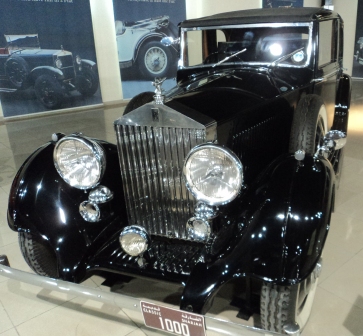


 What a wonderful experience it was to visit a car
museum where an impressive array of vintage cars are exhibited under one roof!
Yes, in the Sharjah Classic Car Museum one can see a huge collection of
cars from the early years of the 20th
century;from the early Ford T Model
cars to a variety of other Ford cars, Chevrolets,Bentleys, Pontiacs, Cadillacs,
Fiats, Benzes and so on.What is striking
is the fact that the cars are kept in excellent running condition, immaculately
painted with the metal parts shining. A Rolls-Royce Ecstasy is a great
attraction. Then there is a Limousine type Benz 6oo Pullman and a French Citroen
with a special hydraulic system and push button brakes! The names and models
like Ford Mustang, Ben
What a wonderful experience it was to visit a car
museum where an impressive array of vintage cars are exhibited under one roof!
Yes, in the Sharjah Classic Car Museum one can see a huge collection of
cars from the early years of the 20th
century;from the early Ford T Model
cars to a variety of other Ford cars, Chevrolets,Bentleys, Pontiacs, Cadillacs,
Fiats, Benzes and so on.What is striking
is the fact that the cars are kept in excellent running condition, immaculately
painted with the metal parts shining. A Rolls-Royce Ecstasy is a great
attraction. Then there is a Limousine type Benz 6oo Pullman and a French Citroen
with a special hydraulic system and push button brakes! The names and models
like Ford Mustang, Ben


